

Intersections are where drivers, cyclists and pedestrians cross paths, and where many crashes happen. After a collision, the question of who has the right of way at an intersection often decides who is at fault. California’s Vehicle Code sets clear rules for most situations.
This guide walks through those rules: uncontrolled intersections, left turns, yield signs, dark signals and pedestrians. It also explains how right of way affects an injury claim. Knowing the rules can help you understand the police report and the insurer’s view of the crash.
Who goes first at an uncontrolled intersection?
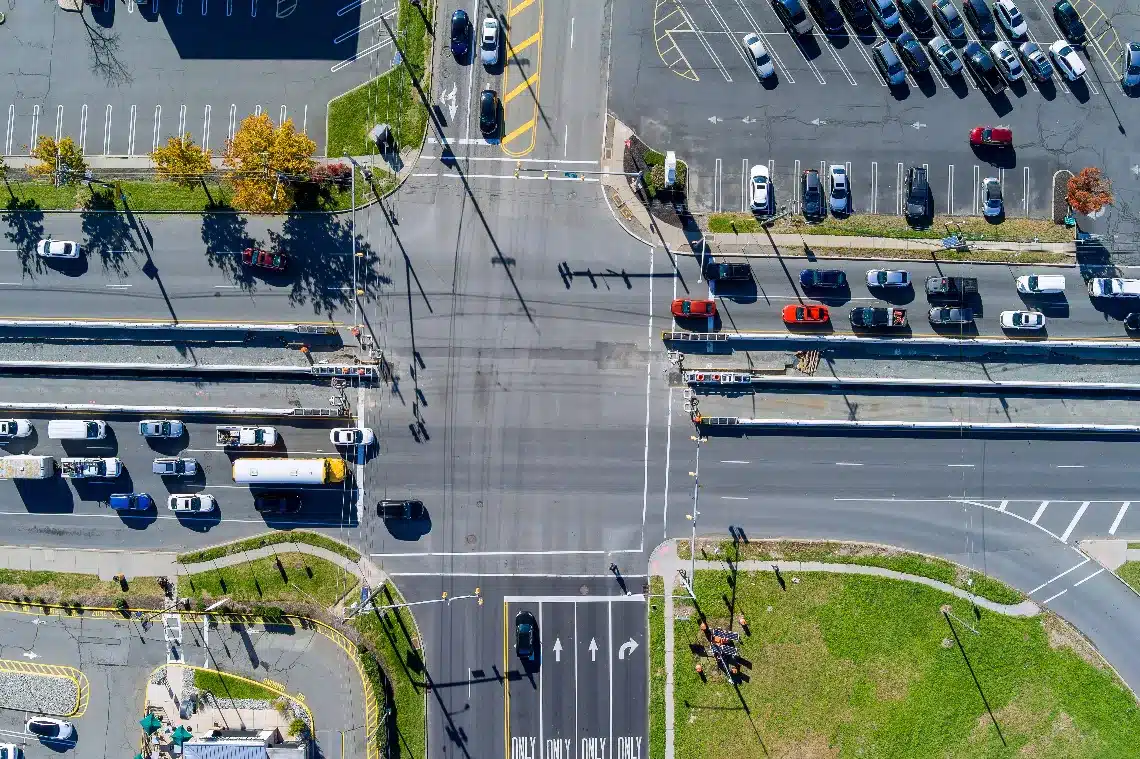
At an intersection with no signs or signals, the driver who arrives second yields to any vehicle already in the intersection. When two vehicles arrive at about the same time from different roads, the driver on the left yields to the driver on the right. A road that ends at the intersection yields to the road that continues.
These rules come from Vehicle Code section 21800. The same left-yields-to-right rule applies at an intersection where every approach has a stop sign. In practice, slow down, look both ways and be ready to stop. Do this even when the law gives you the right of way. The rule tells you who should yield, but it does not stop the other driver from making a mistake.
Who has the right of way at an intersection when you turn left?
A driver turning left yields to oncoming traffic that is close enough to be a hazard. The same rule applies to U-turns and turns into a driveway or alley. The turning driver keeps yielding until the turn can be made with reasonable safety. After that, oncoming drivers must yield to the turning car.
The rule is in Vehicle Code section 21801. Left-turn crashes often lead to fault disputes. The turning driver may say the oncoming car was speeding, while the oncoming driver may say the turn cut them off. Photos, witnesses and video help sort out what happened.
What do stop signs and yield signs require?
At a stop sign, you must stop. Then you yield to vehicles on the other road that are close enough to be a hazard. Once you have yielded and started across, those drivers must yield to you. At a yield sign, you slow down and yield to vehicles already in the intersection or close enough to be an immediate hazard.
The stop sign rule is in Vehicle Code section 21802, and the yield sign rule is in section 21803. Section 21802 does not apply at all-way stops. At an all-way stop, the general rule applies instead. The first to arrive goes first. On a tie, the driver on the left yields to the driver on the right.
What if the traffic signals are out?
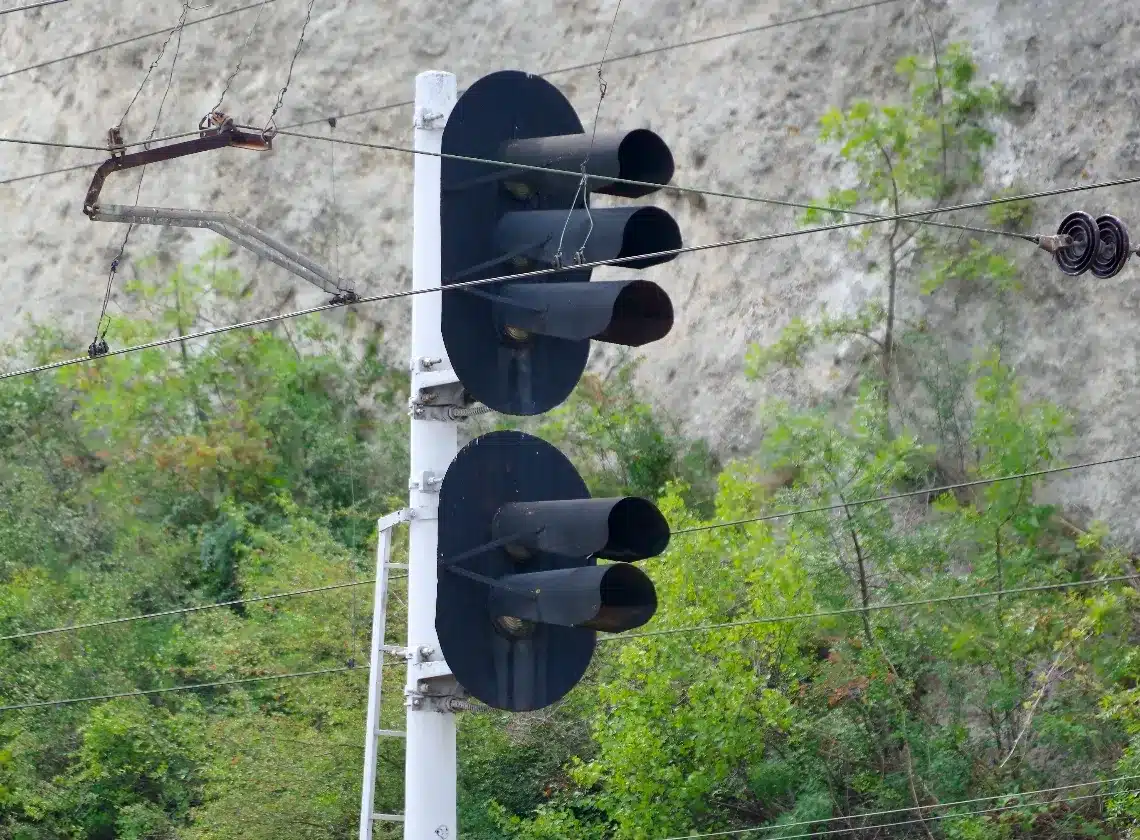
When the signals are dark or not working, every driver must stop. Then each driver may proceed with caution when it is safe. If two vehicles stop at about the same time, the driver on the left yields to the driver on the right. In effect, a dark signal works like an all-way stop.
Power outages and storms can knock out signals with no warning. Approach slowly, stop fully and make eye contact with other drivers when you can. Watch for pedestrians, who may also be unsure when to cross.
Who has the right of way when pedestrians are in the intersection?
Drivers must yield to pedestrians crossing in a marked crosswalk or in an unmarked crosswalk at an intersection. A driver approaching a pedestrian in a crosswalk must use due care and slow down. Pedestrians, for their part, must not step suddenly into the path of a car that is too close to stop.
Those rules come from Vehicle Code section 21950. The firm’s guide on whether pedestrians have the right of way in California covers crosswalks, signals and mid-block crossings in more detail.
How does right of way affect fault after a crash?
Right of way is a key part of fault, but it is not the whole story. A driver who had the right of way can still share fault for speeding, distraction or failing to watch the road. California uses comparative fault. Each driver’s share of blame is weighed, and the injured person’s own share reduces the damages.
California’s basic speed law also requires every driver to go no faster than is reasonable for conditions. So a driver with a green light or the right of way still has to drive with care.
Police reports often note which driver failed to yield. That note helps, but it is not the final word on fault. An insurer, and if needed a court, weighs all of the evidence, including photos, witness accounts and video. The firm’s guide to comparative fault in California explains how insurers and courts split the blame.
Frequently asked questions
Who goes first at a four-way stop if two cars arrive together?
At an all-way stop, the first vehicle to arrive goes first. When two vehicles arrive at about the same time, the driver on the left yields to the driver on the right. If you are unsure, wait, make eye contact and let the other driver go. Giving way is safer than arguing fault later.
Does a green light mean I have the right of way?
A green light lets you go, but it does not end your duty of care. You still need to yield to vehicles and pedestrians already lawfully in the intersection. You also need to drive at a safe speed for conditions. A driver who enters on a green light without looking may still share fault.
What if the other driver ran a red light?
A driver who runs a red light usually bears much of the fault for the crash. Proving it is the hard part. Witness statements, video from nearby businesses or traffic cameras and the damage to each car can help. Get the police report number, and ask a lawyer to request footage before anyone erases it.
Can I still recover damages if I did not have the right of way?
Possibly. Under comparative fault, a driver who did not have the right of way can still recover in some cases. That can happen when the other driver was also careless, for example by speeding or texting. Your own share of fault reduces your recovery. A lawyer can review the evidence and explain how fault may be split.
Talk to Nourmand Legal about an intersection crash
If you were hurt in an intersection crash, Nourmand Legal can review the evidence and explain how right of way and fault apply. The firm has offices in Los Angeles, Beverly Hills, San Diego, San Francisco and San Jose. Learn more about the firm’s work as a car accident lawyer in Los Angeles.
Free consultation. Available 24/7. No attorney’s fees unless there is a recovery. Call (800) 550-9816 or contact Nourmand Legal to tell the team what happened.
This article is general information, not legal advice. Reading it does not create an attorney-client relationship. Past results do not guarantee a similar outcome.
