

A pedestrian has no metal frame and no airbag, so a collision with a car often means serious injuries. If you are thinking about a pedestrian hit by car lawsuit, it helps to know how fault works, what deadlines apply and what each stage of a case looks like.
Most claims start with the driver’s insurance company. Many settle without a trial. Still, knowing how a lawsuit works can help you decide what to do next and what to expect if a claim does not settle.
When does a pedestrian hit by car lawsuit make sense?
A lawsuit makes sense when the insurance claim does not settle fairly, when fault is disputed or when the deadline is close. Many pedestrian claims settle with the driver’s insurer. However, filing suit is how you protect the claim when talks stall or the insurer denies responsibility.
A lawyer may also suggest filing early when the injuries are serious, when more than one driver was involved or when a public agency may share the blame. Filing does not end the chance to settle. A case can still settle at any point before trial.
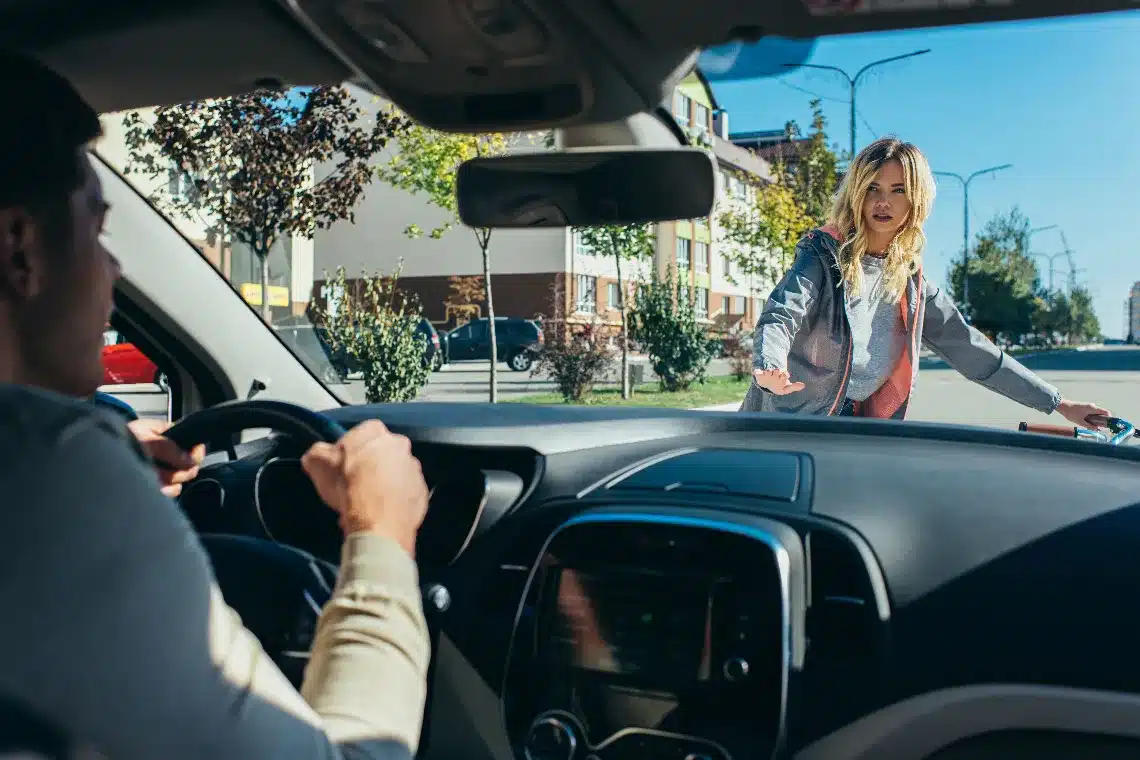
Who is at fault when a car hits a pedestrian?
Fault depends on what the driver and the pedestrian each did. California law gives pedestrians the right of way in marked crosswalks and in unmarked crosswalks at intersections. Drivers must use due care and slow down for pedestrians in a crosswalk. Pedestrians, in turn, must not step suddenly into the path of a close car.
Those rules come from Vehicle Code section 21950. Outside a crosswalk, a pedestrian must yield to cars so close that they pose an immediate hazard. Even then, the driver still owes a duty of due care. The firm’s guide on whether pedestrians have the right of way in California covers these rules in more detail.
California also uses comparative fault. If you were partly at fault, you may still recover damages, reduced by your share. For example, a pedestrian found 25 percent at fault may recover 75 percent of the damages.
What damages can you recover in a pedestrian case?
You may be able to recover economic and non-economic damages. Economic damages are losses with a price tag, such as medical bills and lost wages. Non-economic damages cover pain, suffering, inconvenience and emotional distress. The amount depends on your injuries, your recovery and the evidence.
California law defines these two groups in Civil Code section 1431.2. Economic damages include medical expenses, lost earnings and other losses that can be measured. In contrast, non-economic damages are subjective losses, such as pain and mental suffering. Your lawyer documents both kinds with medical records, bills, pay records and your own account of how the injuries affect daily life.
How long do you have to file a pedestrian hit by car lawsuit?
In most cases, you have two years from the injury to file a lawsuit under Code of Civil Procedure section 335.1. If a city, county or state vehicle or road played a part, a written claim to that agency is due within six months. Missing a deadline can end the claim.
Uninsured motorist claims follow their own rules under Insurance Code section 11580.2. Your own auto policy may help if the driver had no insurance or drove away. The firm’s guide to the statute of limitations for personal injury in California explains each deadline.

What are the stages of a pedestrian hit by car lawsuit?
A lawsuit moves through several stages: filing, discovery, settlement talks and, if needed, trial. Each stage can take months. Many cases settle during discovery or at mediation, once both sides have seen the evidence. Your lawyer handles the filings and deadlines, while you focus on your treatment.
Here is how the stages usually work:
- Filing: your lawyer files a complaint in the superior court and serves each defendant.
- The answer: the driver, usually through the insurer’s lawyer, responds to the complaint.
- Discovery: both sides exchange documents, answer written questions and take depositions.
- Mediation: a neutral mediator helps both sides look for a settlement.
- Trial: if the case does not settle, a judge or jury decides fault and damages.
What evidence helps a pedestrian case?
Strong evidence shows where you were, what the driver did and how the injuries affect you. Photos of the scene, the crosswalk and the car help. So do witness names, the police report and any video from nearby cameras. Medical records tie your injuries to the crash.
Keep every bill, every doctor’s note and a short daily journal of pain and limits. Then ask about video early, because businesses and transit cameras may record over footage after a short time.
Get checked by a doctor as soon as you can, even if you feel fine at first. Follow the treatment plan and keep a record of each visit. Gaps in care can give an insurer a reason to argue that the injuries were minor.
Frequently asked questions
Can I sue if I was jaywalking when the car hit me?
Possibly. Crossing outside a crosswalk does not end a claim by itself. A driver must still use due care for pedestrians on the road. Your share of fault may reduce what you recover, but it does not always bar the claim. The facts of the crossing, the lighting and the driver’s speed all matter.
Do I sue the driver or the insurance company?
In California, the lawsuit is usually filed against the driver and any other party at fault, such as the driver’s employer. The driver’s insurer typically provides the defense and pays any settlement or judgment up to the policy limits. Your lawyer identifies every party and every policy that may apply.
Will my pedestrian case go to trial?
Most cases settle before trial, often after discovery or at mediation. Some do go to trial when the two sides cannot agree on fault or value. Preparing as if the case may go to trial often helps settlement talks, because the insurer sees that the claim is ready to be proven.
What if a city bus or city truck hit me?
A claim against a public agency has different rules. You must first present a written claim to the agency within six months of the injury. A lawsuit can follow only after the agency acts on the claim or the claim is deemed rejected. Because the window is short, talk to a lawyer quickly.
Talk to Nourmand Legal about a pedestrian accident
If a car hit you while you were walking, Nourmand Legal can review what happened and explain whether a lawsuit makes sense. The firm has offices in Los Angeles, Beverly Hills, San Diego, San Francisco and San Jose. Learn more about the firm’s work as a Los Angeles pedestrian accident lawyer.
Free consultation. Available 24/7. No attorney’s fees unless there is a recovery. Call (800) 550-9816 or contact Nourmand Legal to tell the team what happened.
This article is general information, not legal advice. Reading it does not create an attorney-client relationship. Past results do not guarantee a similar outcome.
